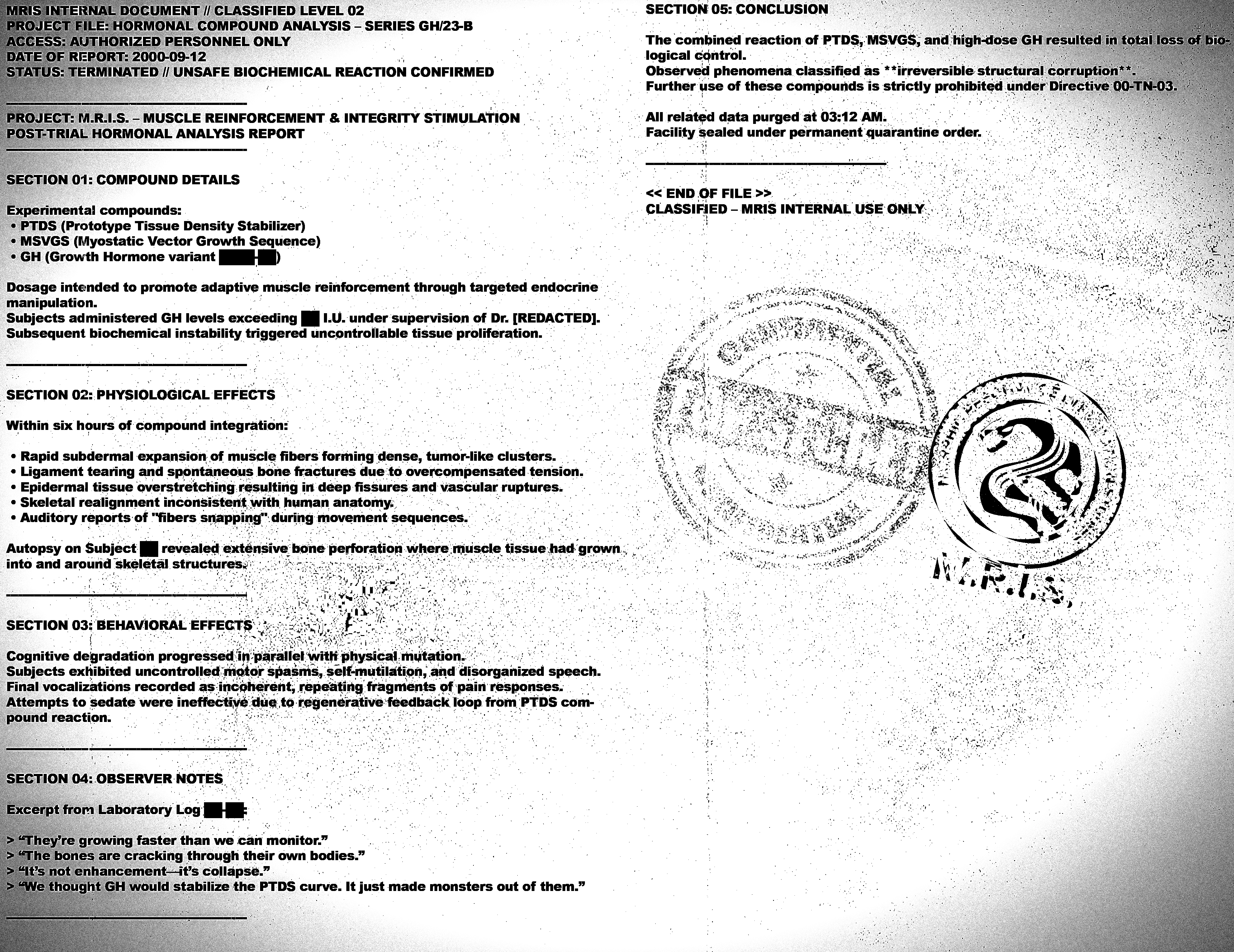
> M.R.I.S. Summary Documents #VP-002 - #VP-005 | - (Initiation Date: 2005).
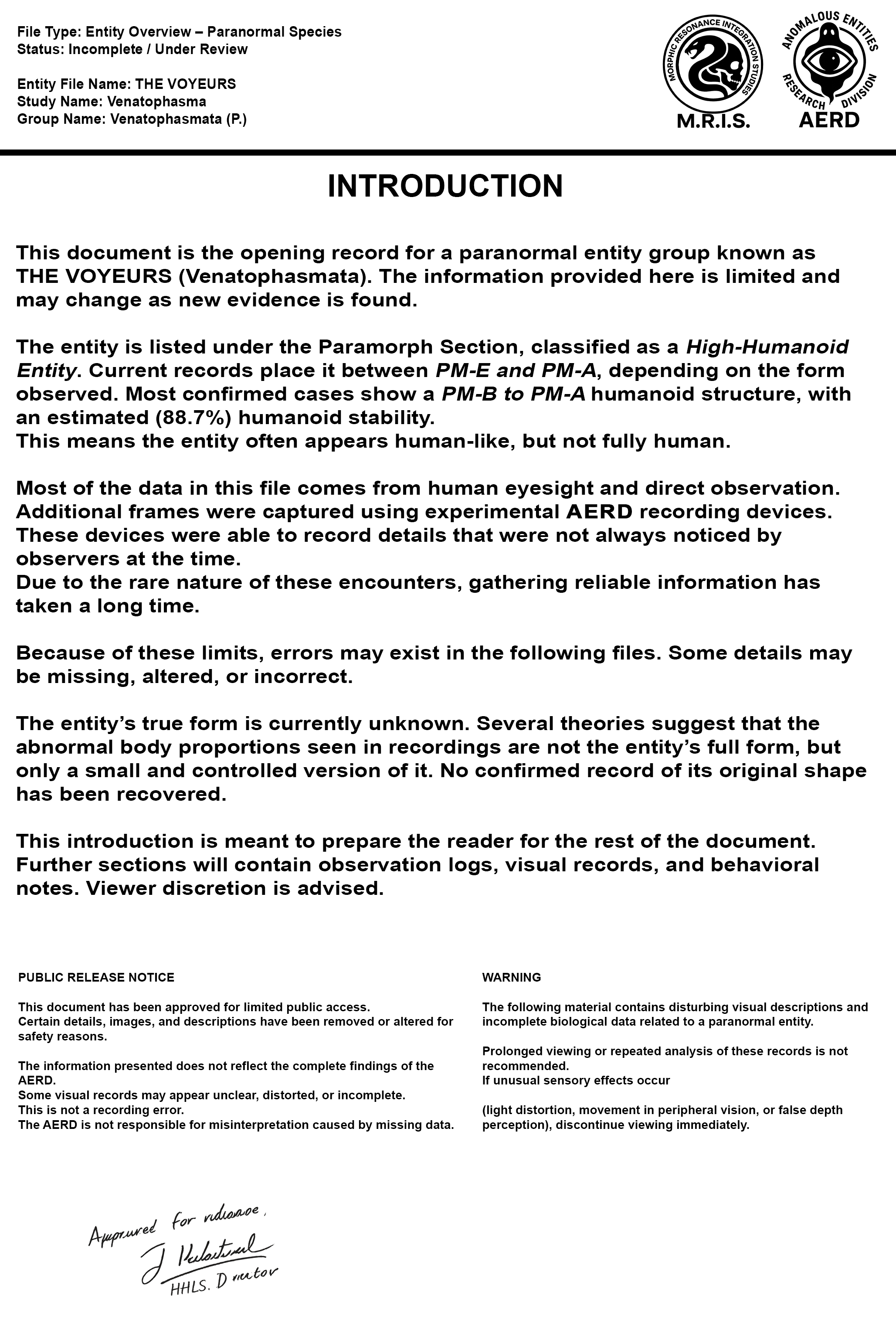
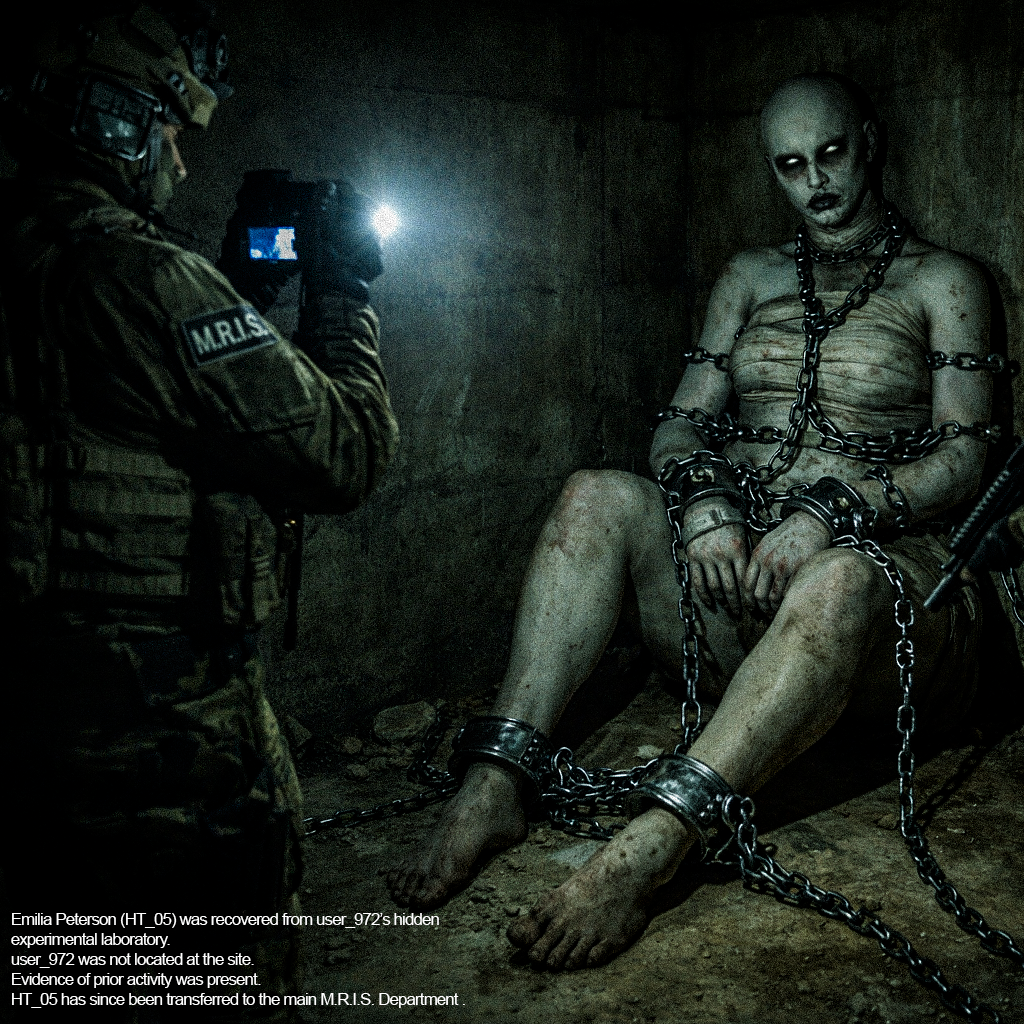
→ Venatophasmatas, also known as “THE VOYEURS,” are classified as paranormal entities within the High‑Humanoid Entities section of the AERD Paramorphs Scale. They are ranked from PM‑E to PM‑A, based on the quality and stability of their humanoid appearance. Their Human Purity Percentage averages at 88.7%, though certain specimens have been recorded with higher or lower values. At higher purity levels, they may appear almost indistinguishable from ordinary humans. The study of Venatophasmatas remains extremely difficult. Their population is rare, and their known locations are often remote, unstable, or unreachable. In many cases, standard AERD equipment fails to detect or record their presence, suggesting partial existence beyond measurable human perception. Only a limited number of encounters have resulted in usable data.
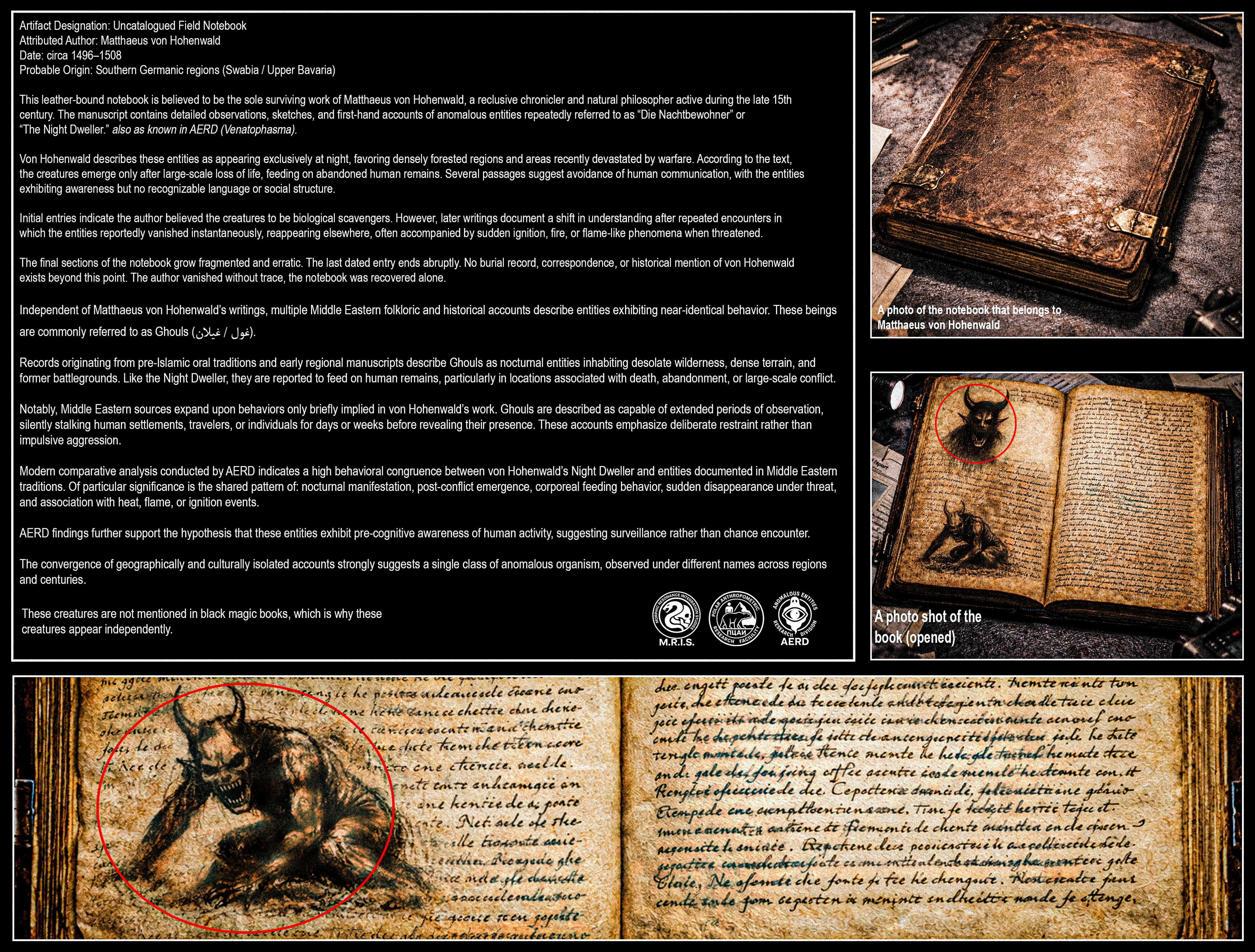
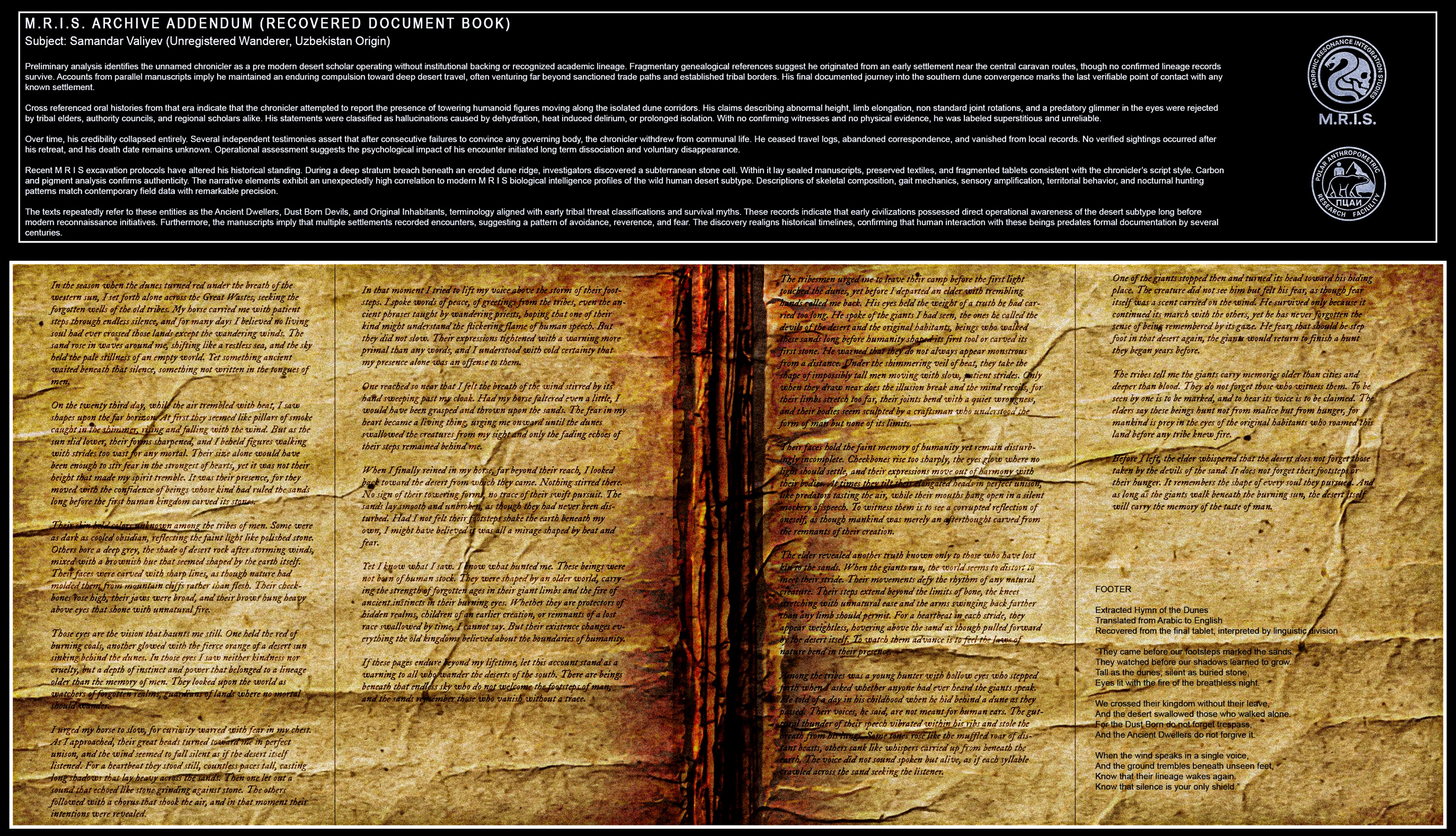
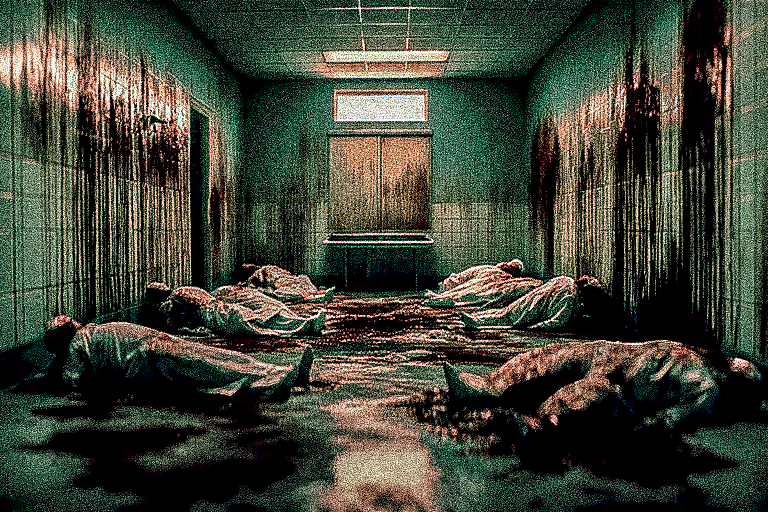
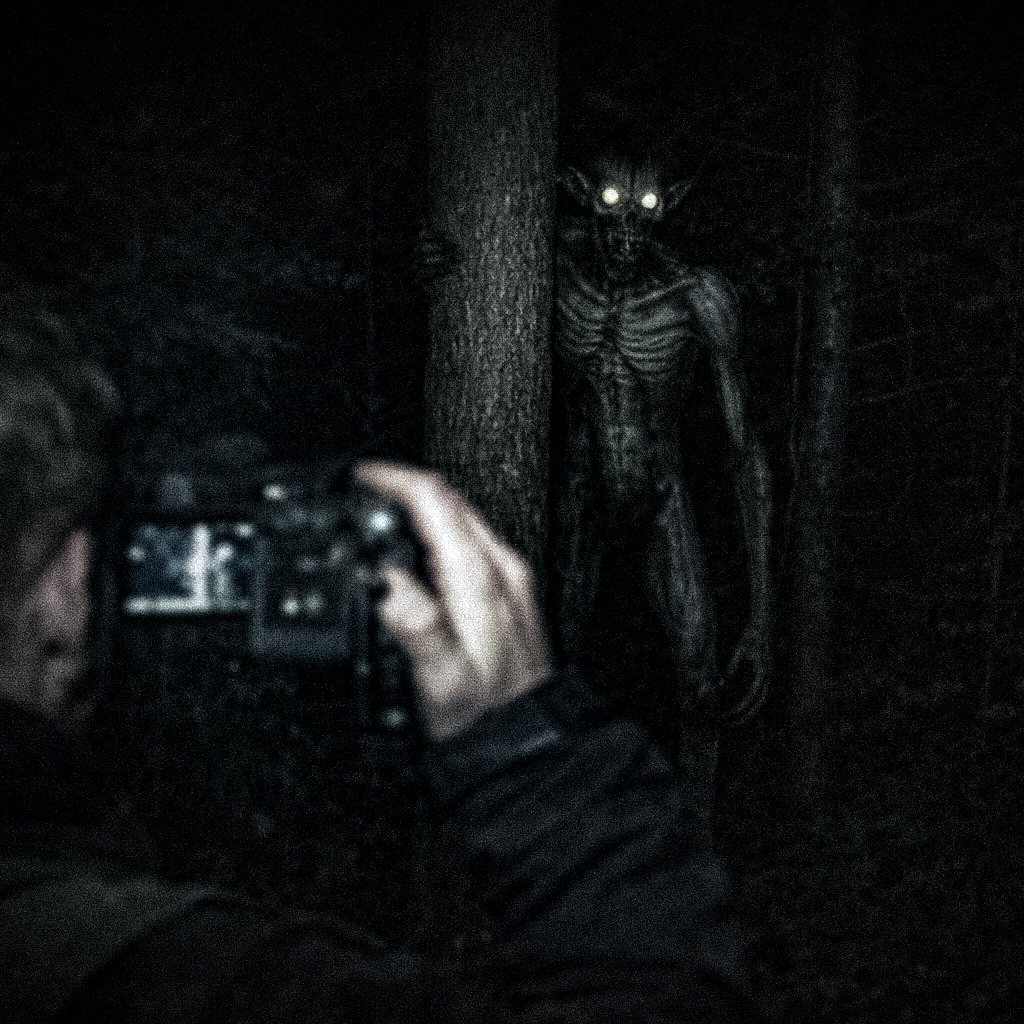
→ In ancient times, reports describe creatures appearing at night resembling what we now classify as Venatophasmatas. Some accounts claim these entities feed on human corpses following wars, disasters, or accidents. Other reports note that they are capable of stalking and observing humans for extended periods, a behavior that led the AERD to designate them as “THE VOYEURS.” Across ancient civilizations, these beings were referred to as “The Night Dwellers”, while in Arab cultures they were known as Ghouls (غول / غيلان). Despite cultural differences, the descriptions consistently suggest intelligent, patient, and predatory behavior, often associated with death or human suffering.
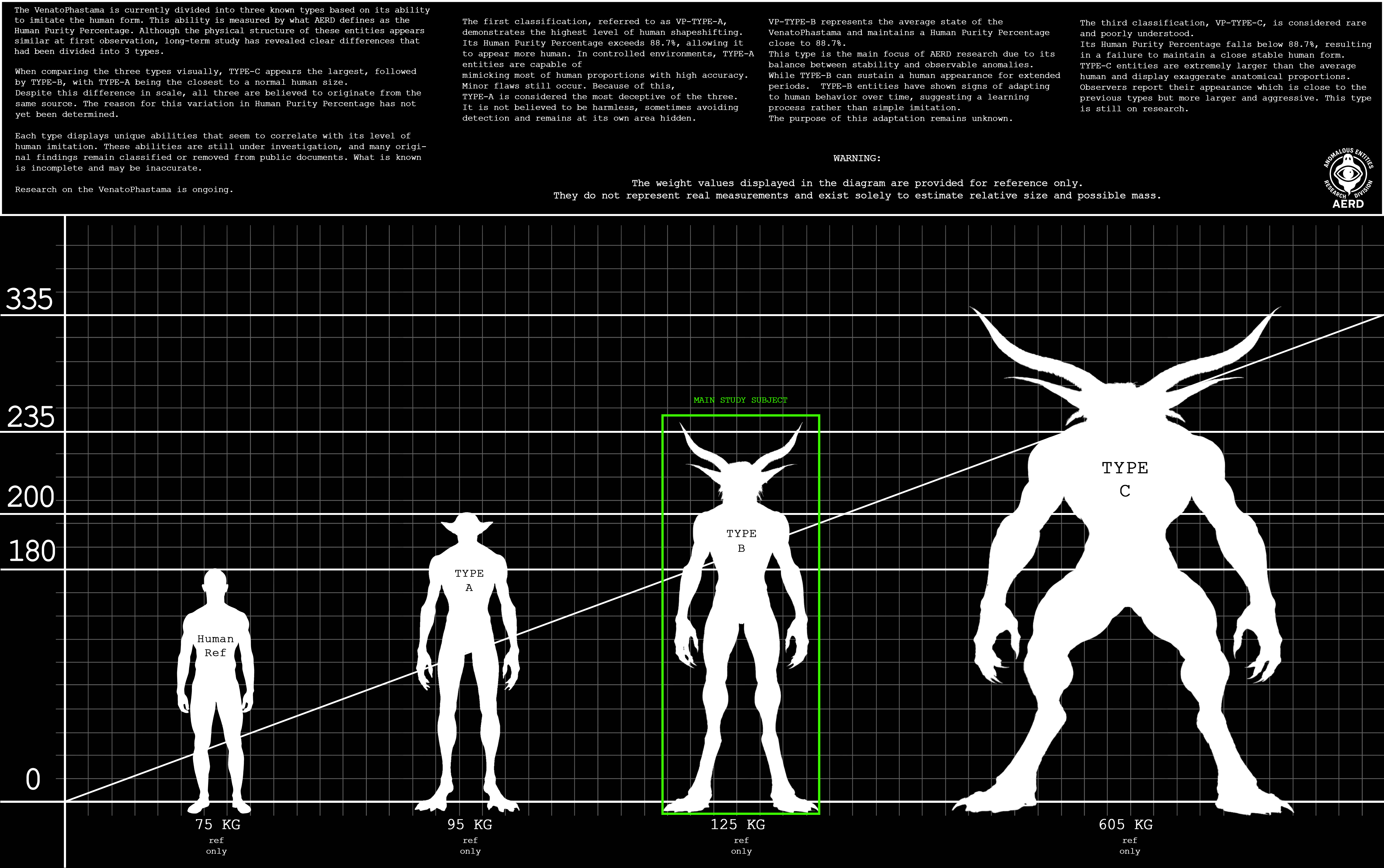
→ Venatophasmatas exist in three distinct types, each defined by its human purity and unique abilities. Type-A possesses the highest purity, exceeding 88.7%, and is small, enigmatic, and rare, avoiding contact whenever possible. Type-B, the primary subject of AERD studies, has an average purity of 88.7% and is more common, slightly larger than Type-A yet still subtle in presence. Type-C exhibits the lowest human purity, falling below 88.7%, but is far larger, more exaggerated, and shrouded in mystery, making it exceptionally rare and difficult to encounter.
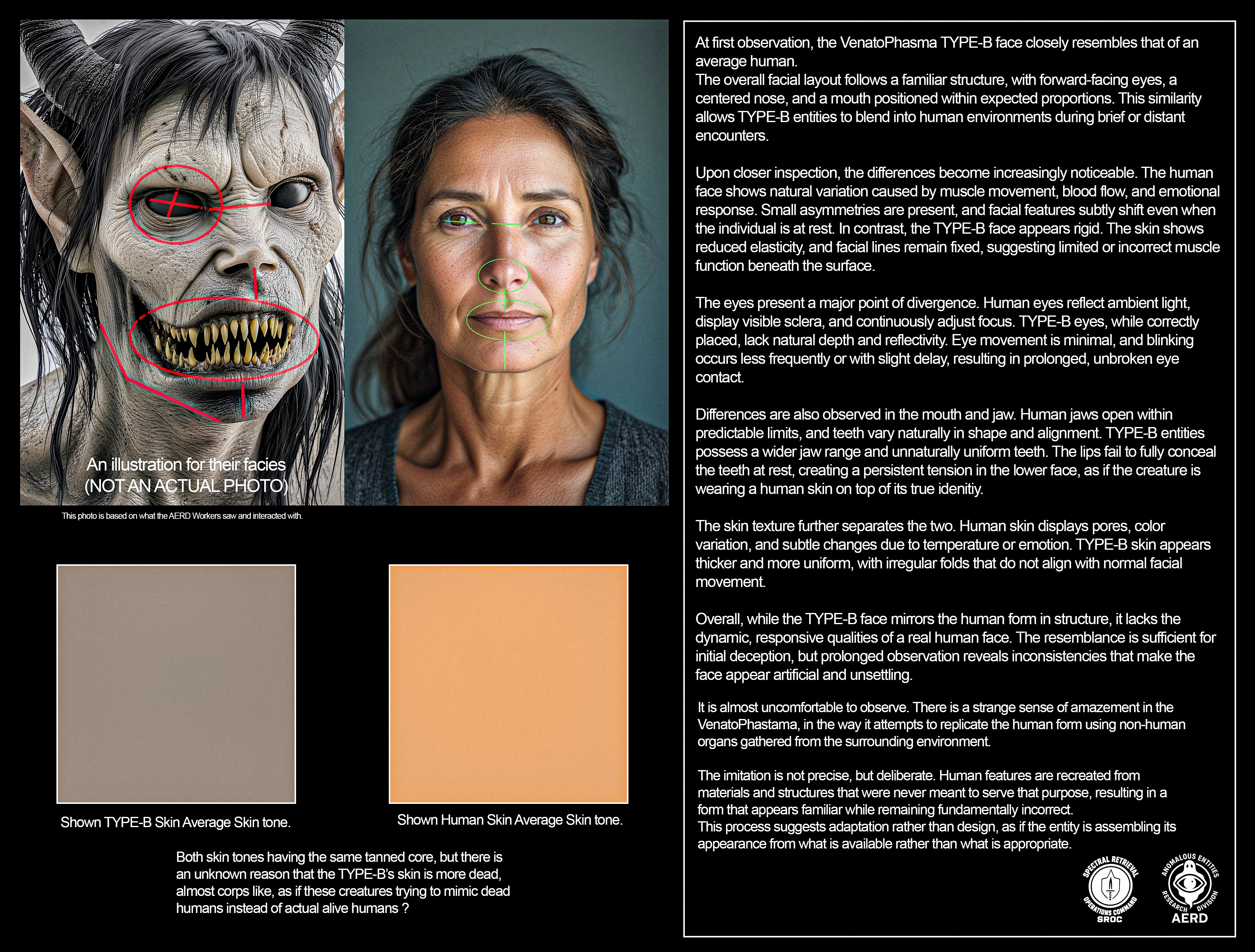
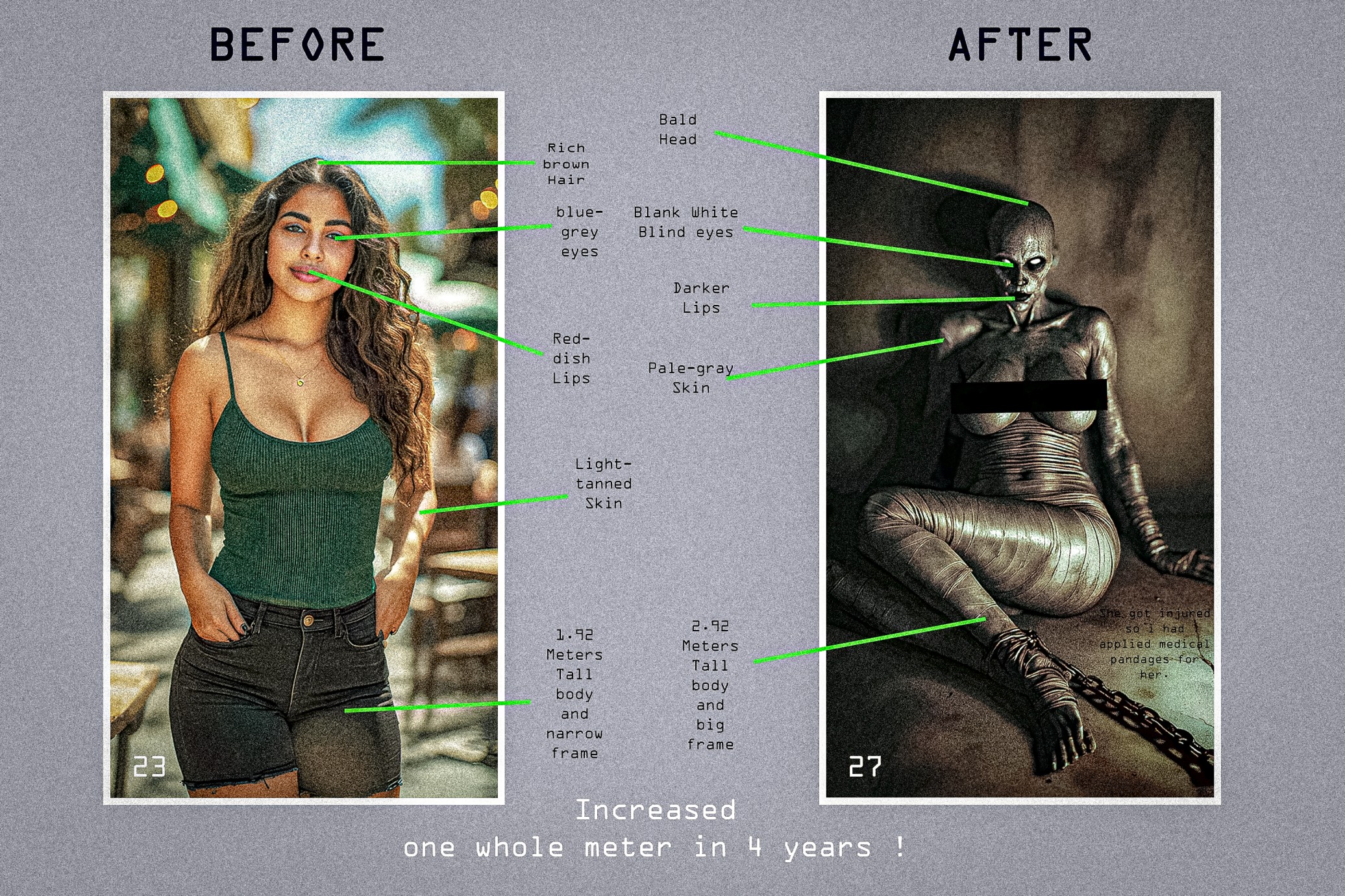
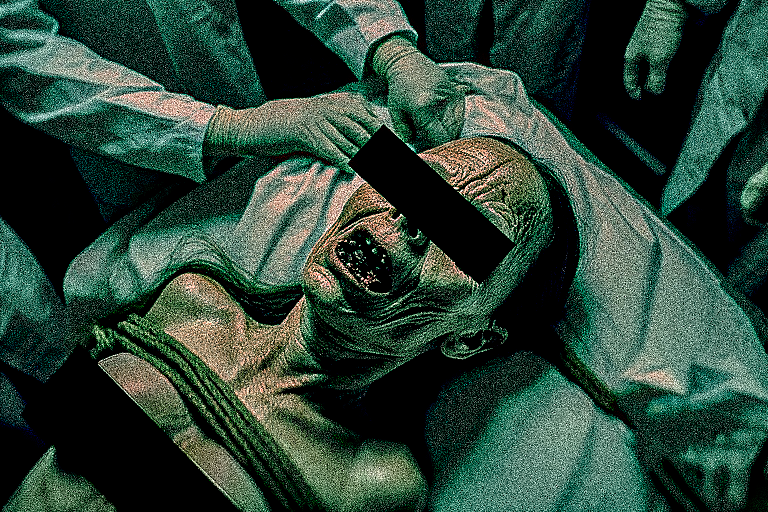
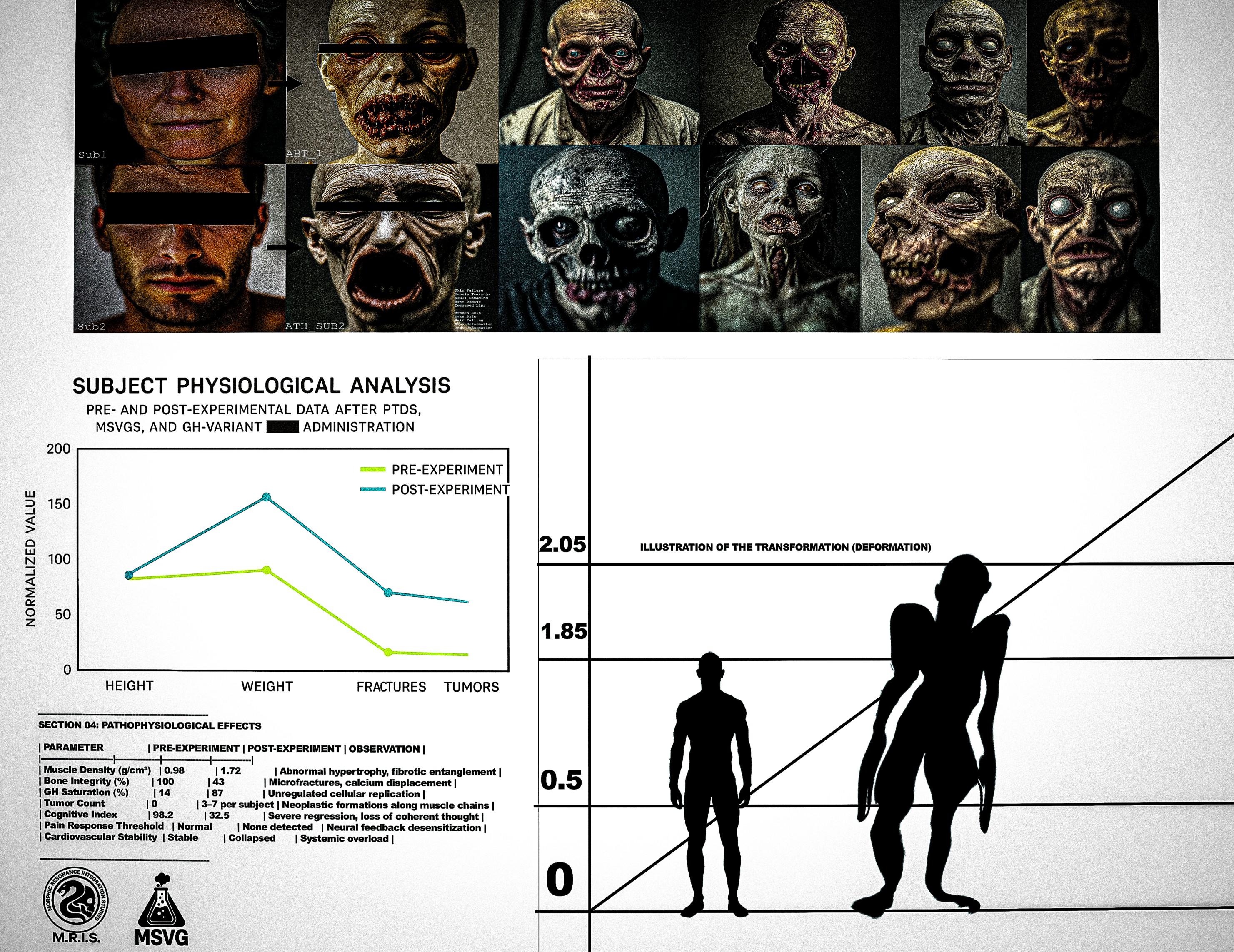
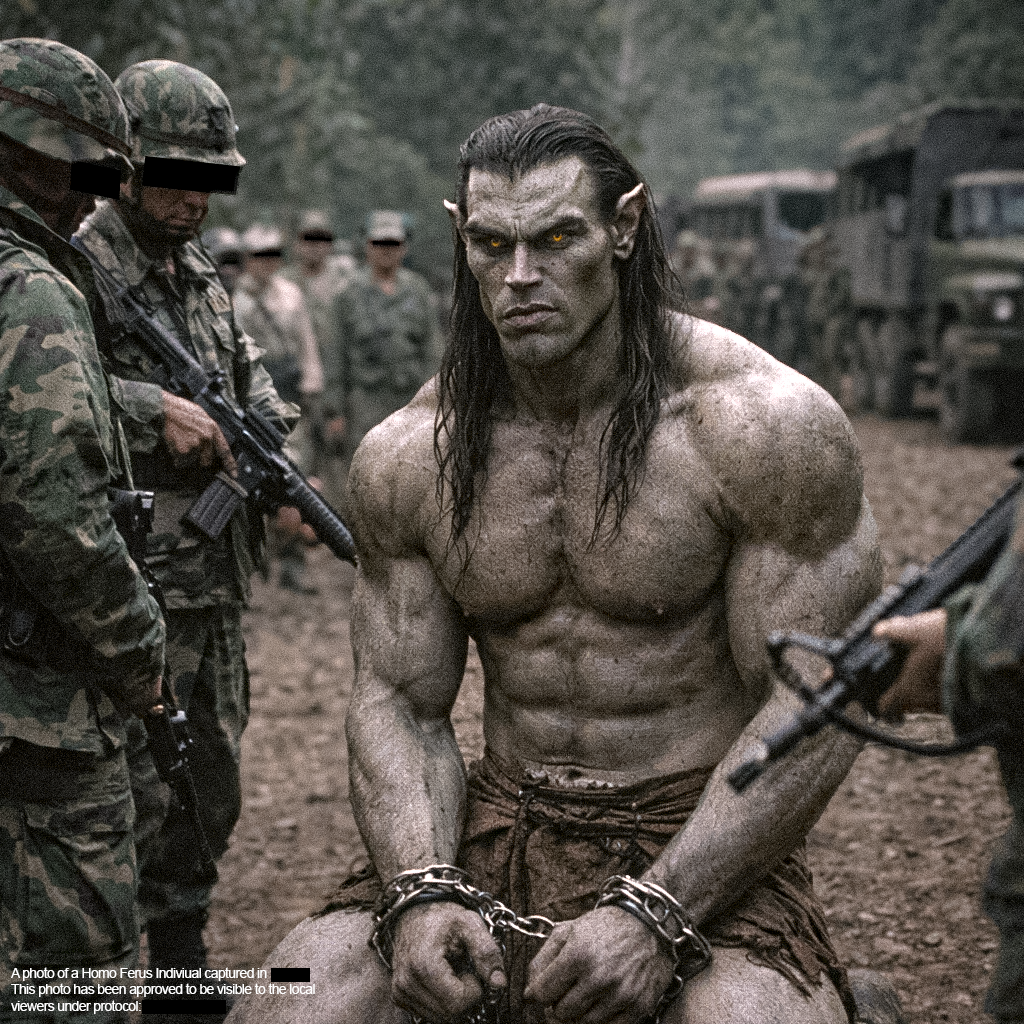
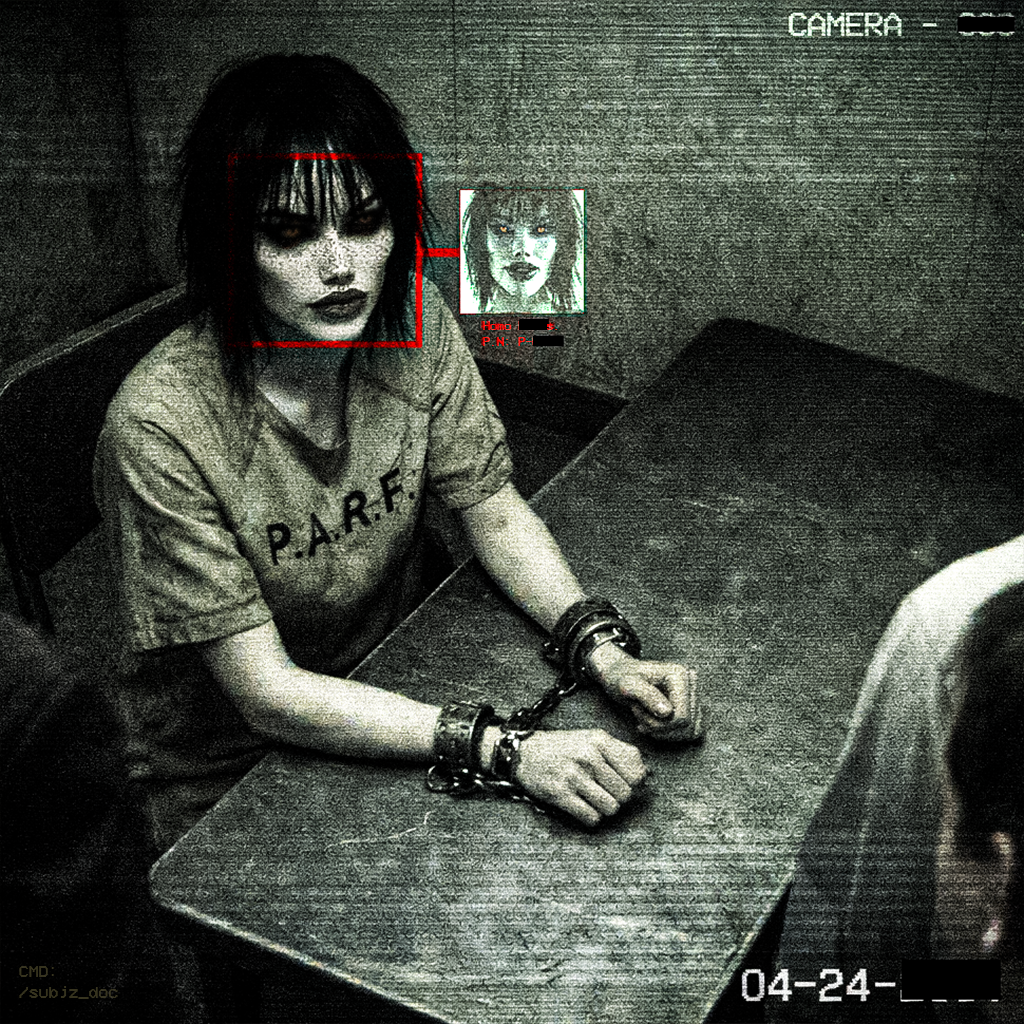
→ At first glance, TYPE-B faces resemble humans, sharing symmetry and familiar placement of eyes, nose, and mouth, allowing them to pass casual observation. Closer inspection reveals rigid, uneven skin, fixed wrinkles, and delayed or incomplete blinking that give a lifeless stare. The mouth and jaw are elongated, teeth uniform and exposed, while lips fail to fully conceal them. Hair appears human but grows unnaturally in density and direction, reinforcing the illusion. Overall, TYPE-B faces mimic human structure but misinterpret behavior and subtle movement, creating unease with prolonged observation.
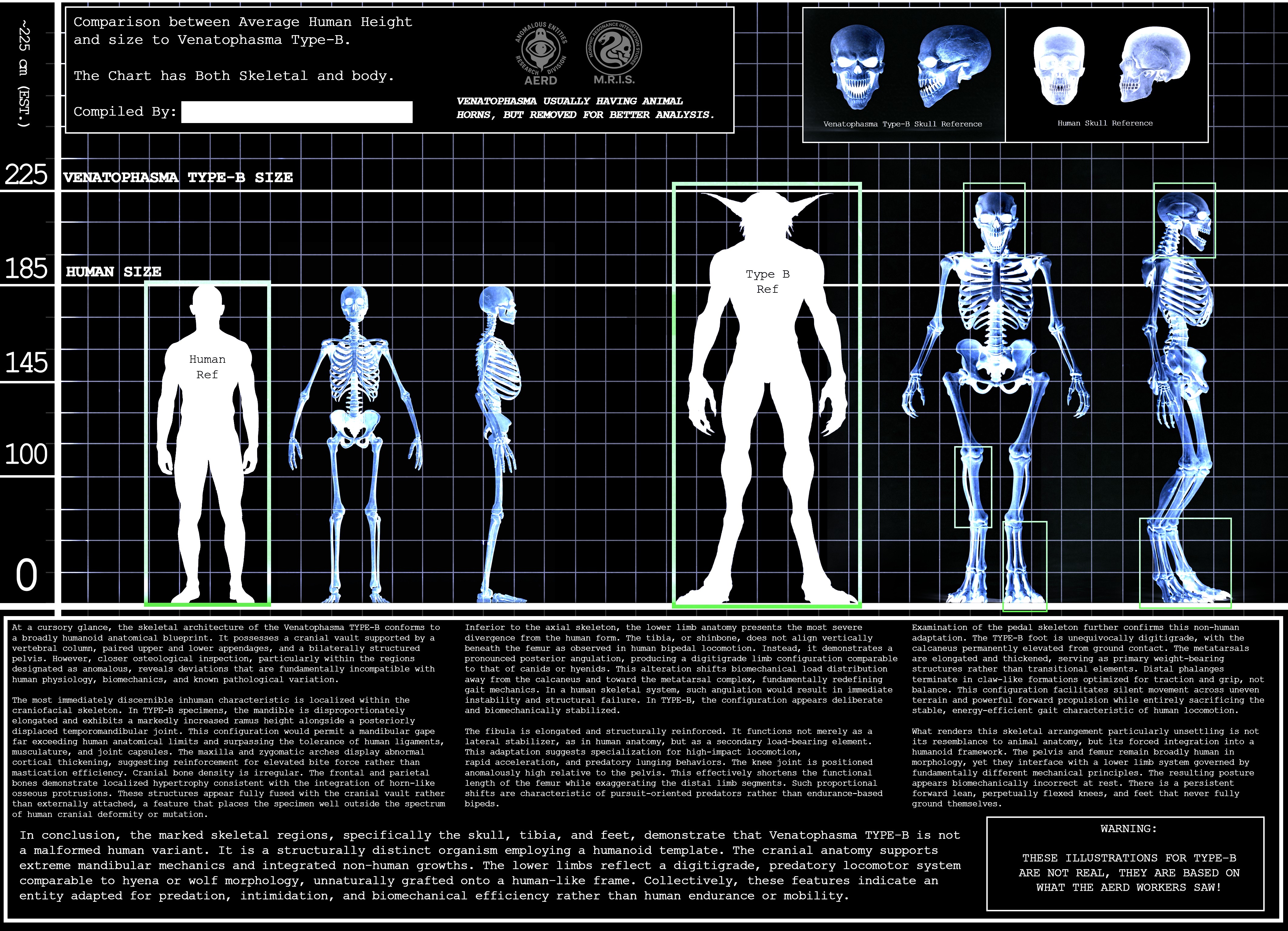
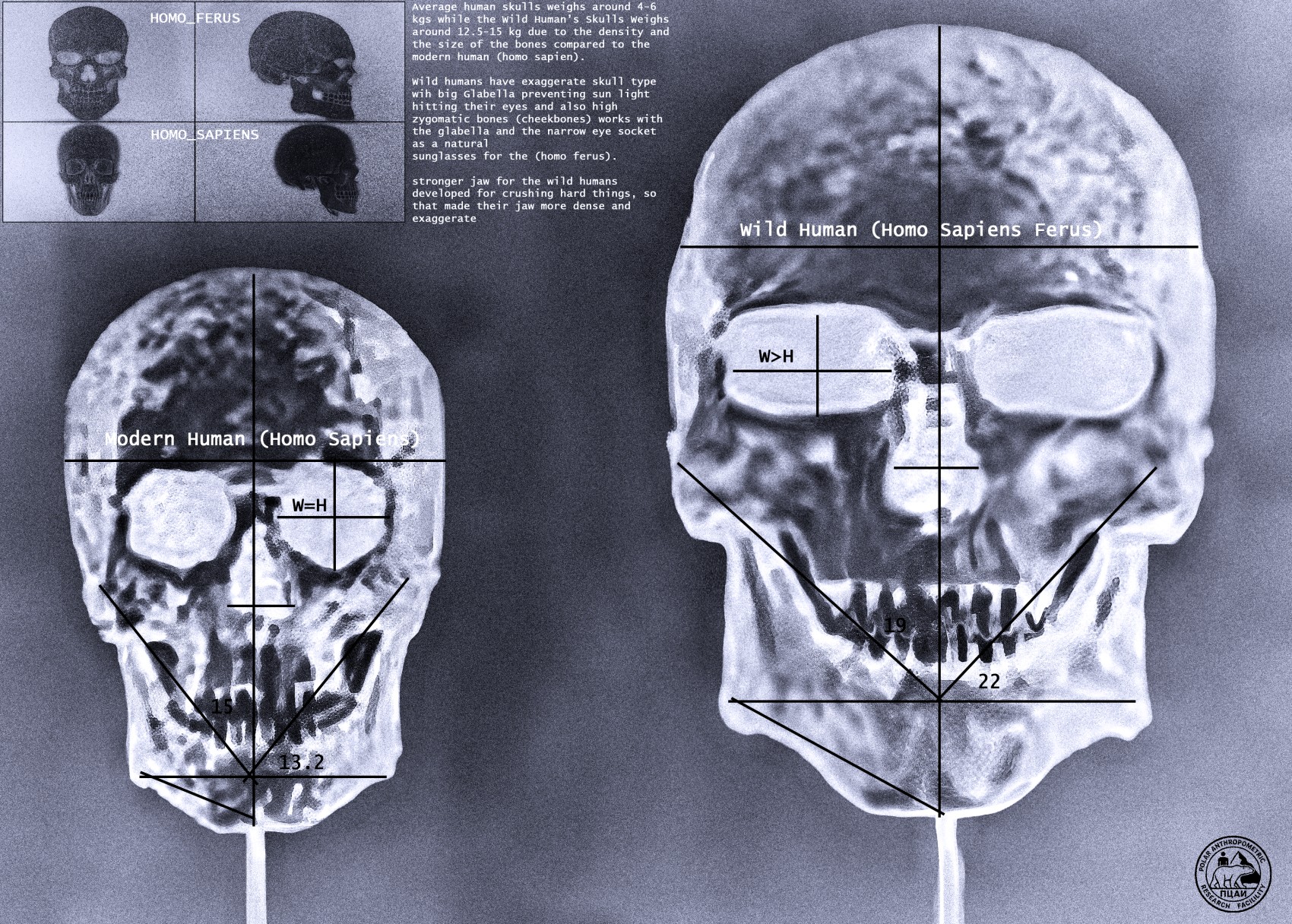
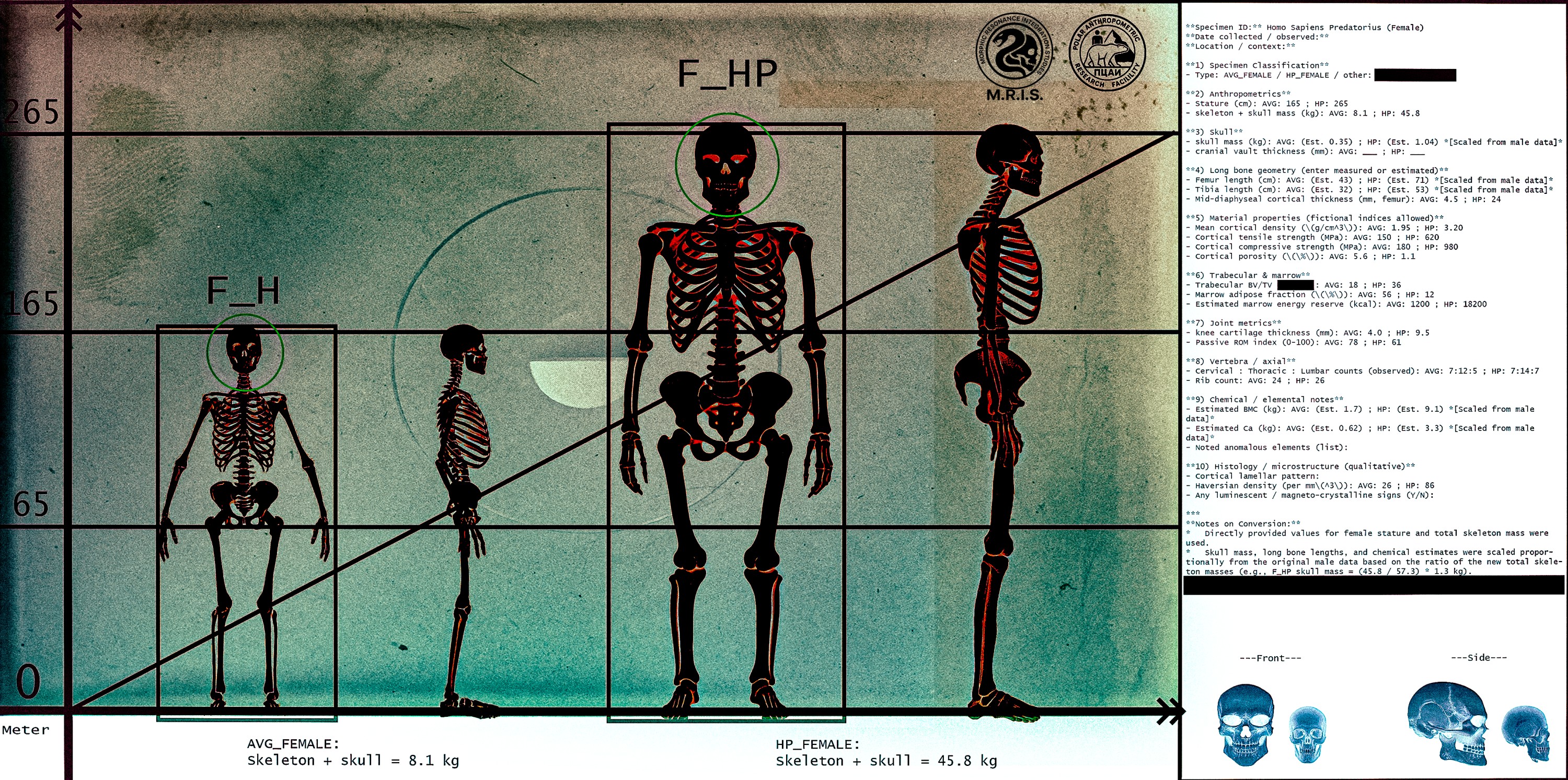
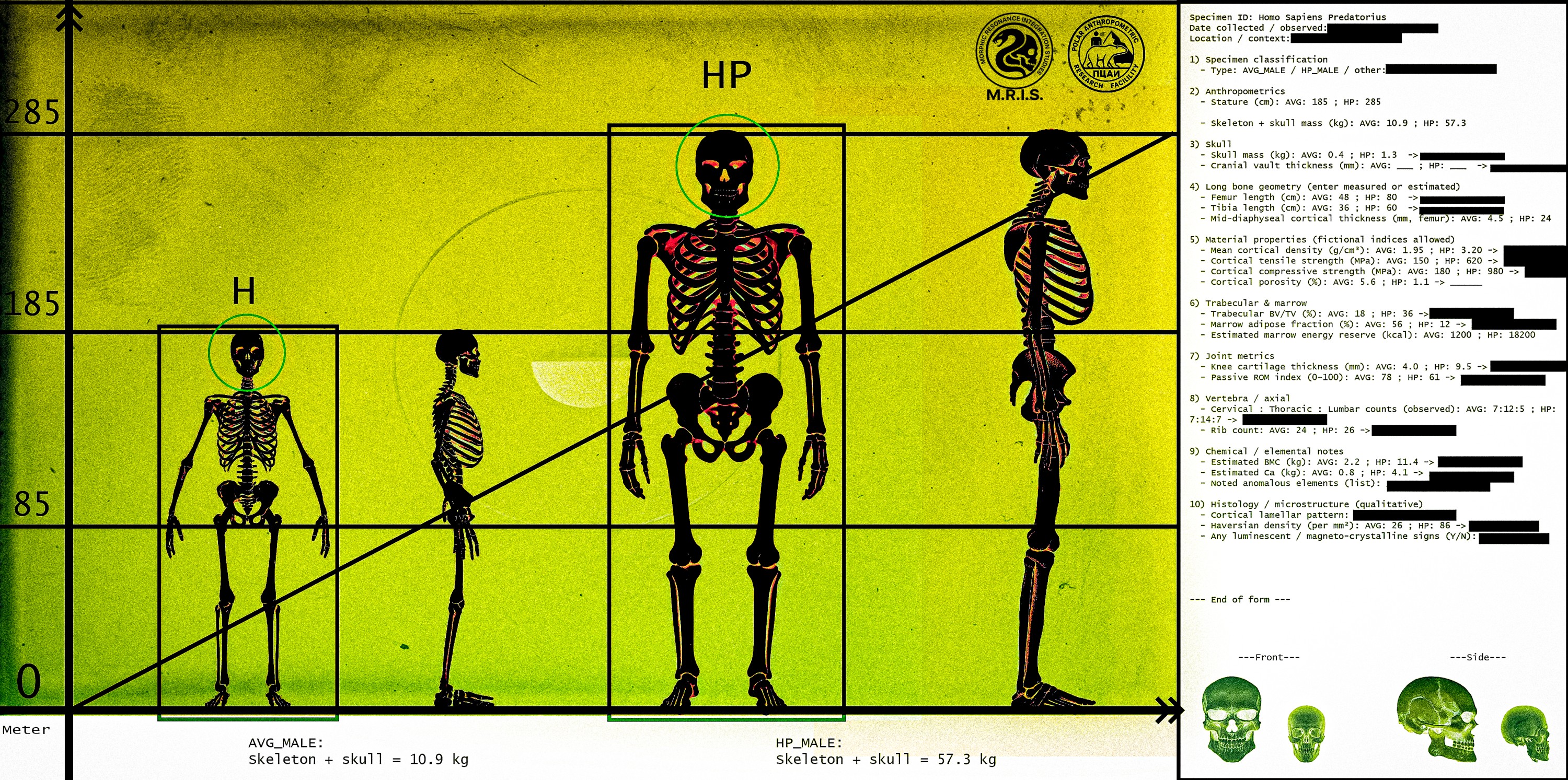
→ At a superficial level, Venatophasma TYPE-B adheres to a humanoid skeletal template, yet detailed osteological analysis reveals deviations fundamentally incompatible with human biomechanics or pathology. The cranial structure exhibits reinforced bone density, integrated horn-like growths, and an elongated mandible capable of extreme gaping, indicating adaptation for force and intimidation rather than human mastication. Lower limb anatomy departs radically from bipedal norms, featuring posterior-angled tibiae, elevated knees, and a fully digitigrade foot structure optimized for predatory acceleration and impact. These anomalies confirm TYPE-B is not a deformed human analogue, but a distinct entity using a humanoid framework to support non-human, predator-oriented skeletal mechanics.
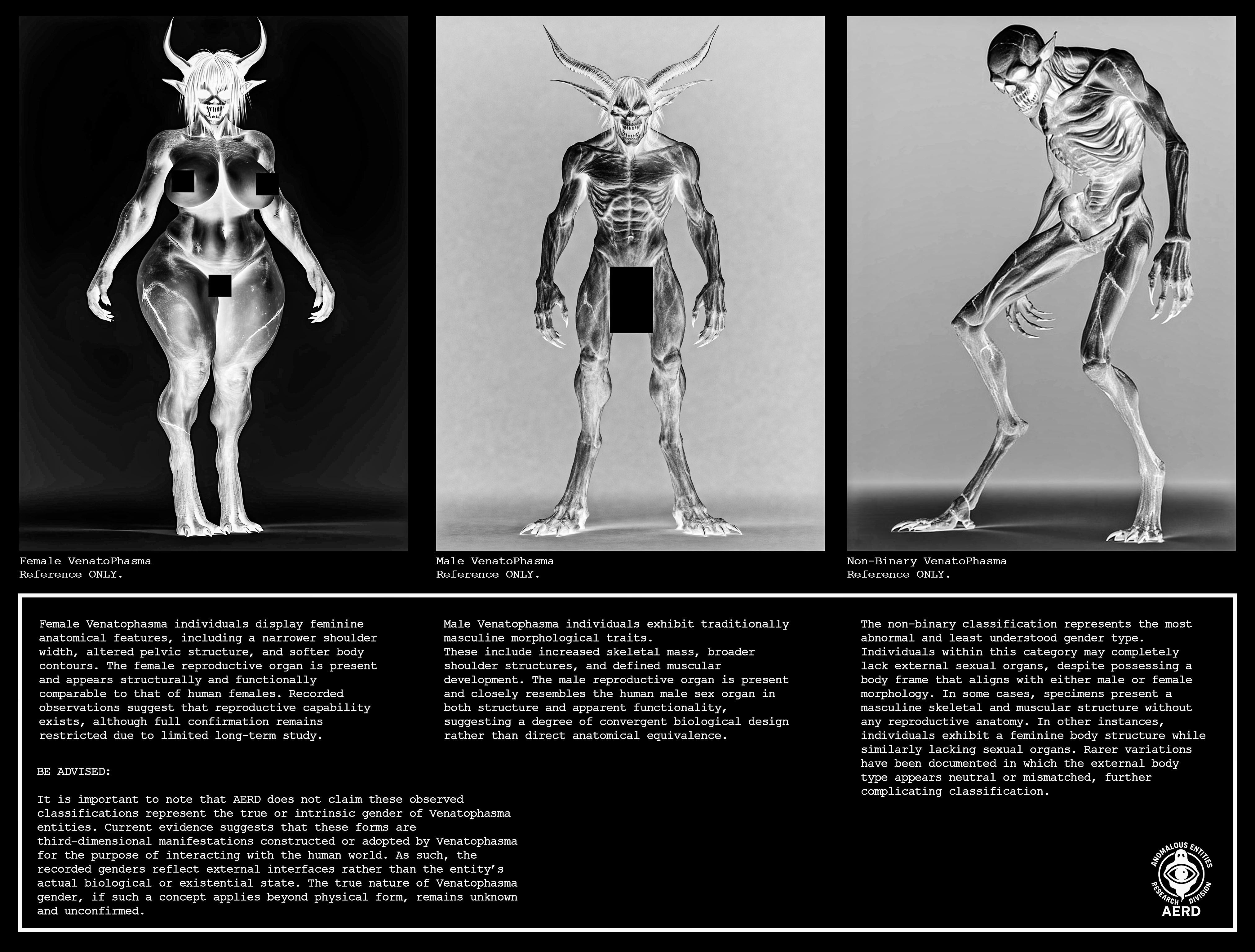
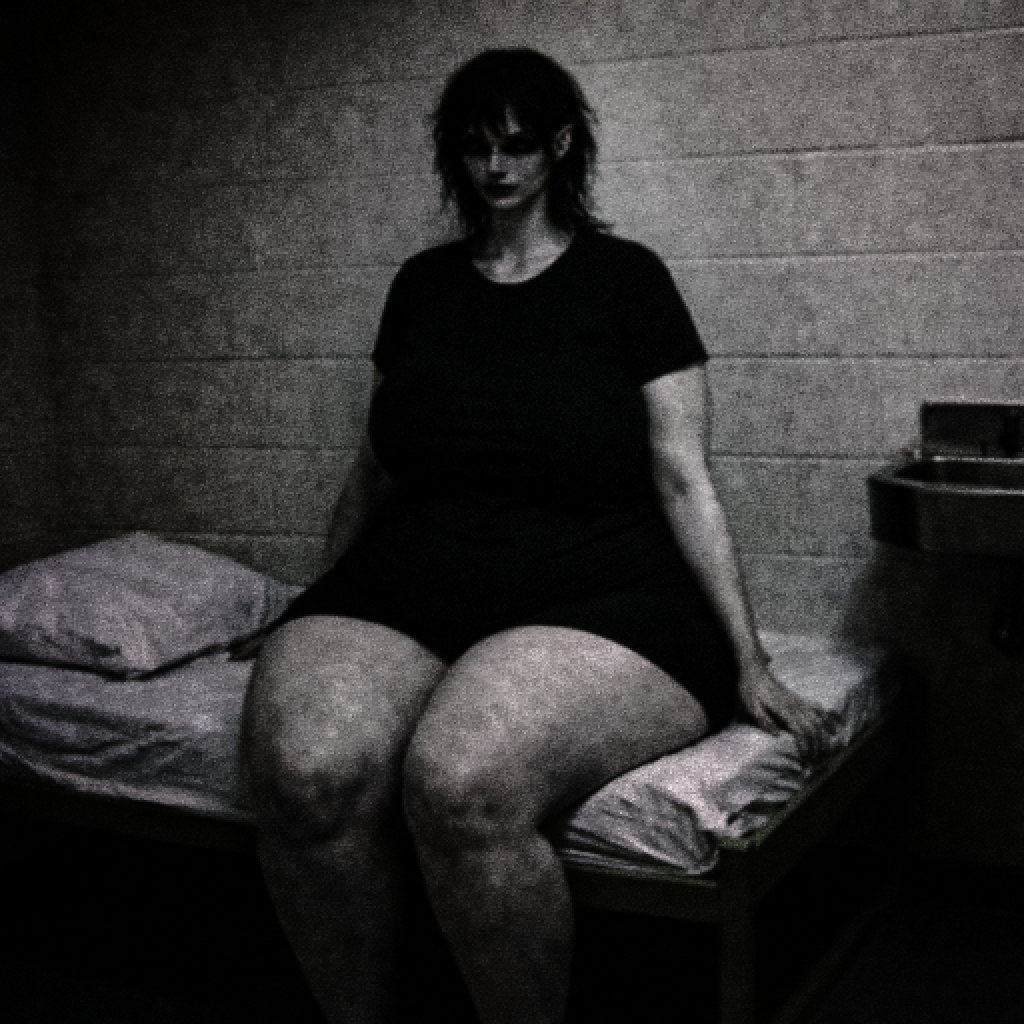
→ The gender classification of Venatophasma displays marked biological irregularity consistent with its paranormal classification, with AERD documentation identifying three observable categories: male, female, and non-binary. Male and female forms exhibit partial parallels to human sexual dimorphism, including skeletal proportions, muscular development, and the presence of reproductive organs that resemble human anatomy in structure and function. Despite these similarities, the correspondence appears convergent rather than homologous, suggesting functional mimicry instead of shared biological origin. The non-binary classification remains the least understood, often characterized by the complete absence of sexual organs despite otherwise masculine, feminine, or neutral body frameworks. Such variations challenge conventional biological assessment and complicate formal classification within humanoid taxonomies. Current evidence indicates these genders are external, third-dimensional manifestations used for human interaction, while the true existential nature of Venatophasma gender remains unknown.
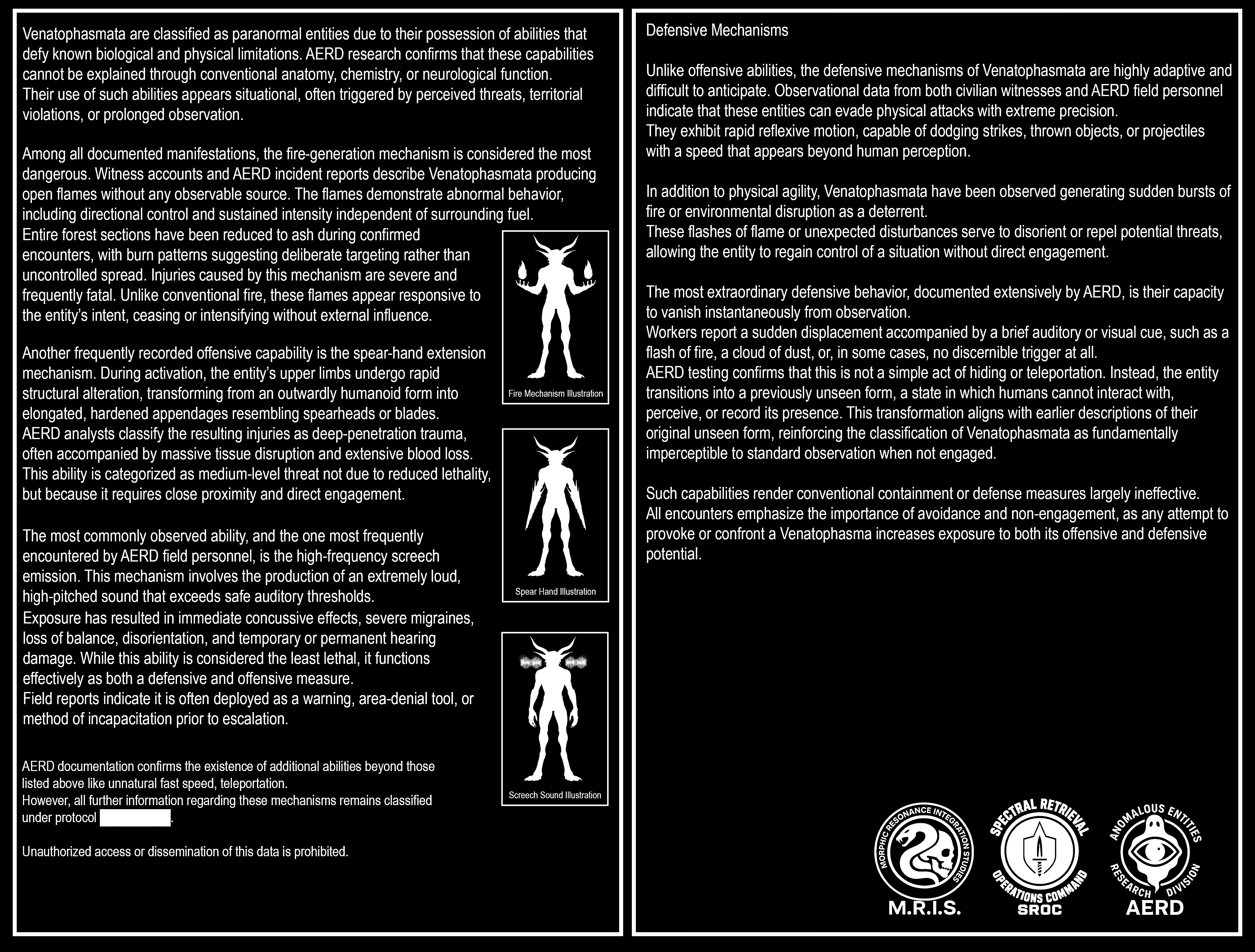
→ Venatophasmata are classified as paranormal entities due to abilities that violate known biological and physical laws, activating primarily in response to threat, territorial intrusion, or prolonged observation. Their most dangerous manifestation is controlled fire generation, producing intentional, fuel‑independent flames capable of devastating large environments and causing fatal injuries. They also possess a spear‑hand transformation that inflicts severe penetrating trauma at close range, alongside a high‑frequency screech used to disorient, incapacitate, or deter threats. Defensively, Venatophasmata exhibit extreme agility, rapid evasion, and the use of sudden environmental disruptions to prevent direct engagement. Most critically, they can vanish by transitioning into an imperceptible “unseen form,” rendering containment ineffective and reinforcing strict AERD protocols of avoidance and non‑confrontation.
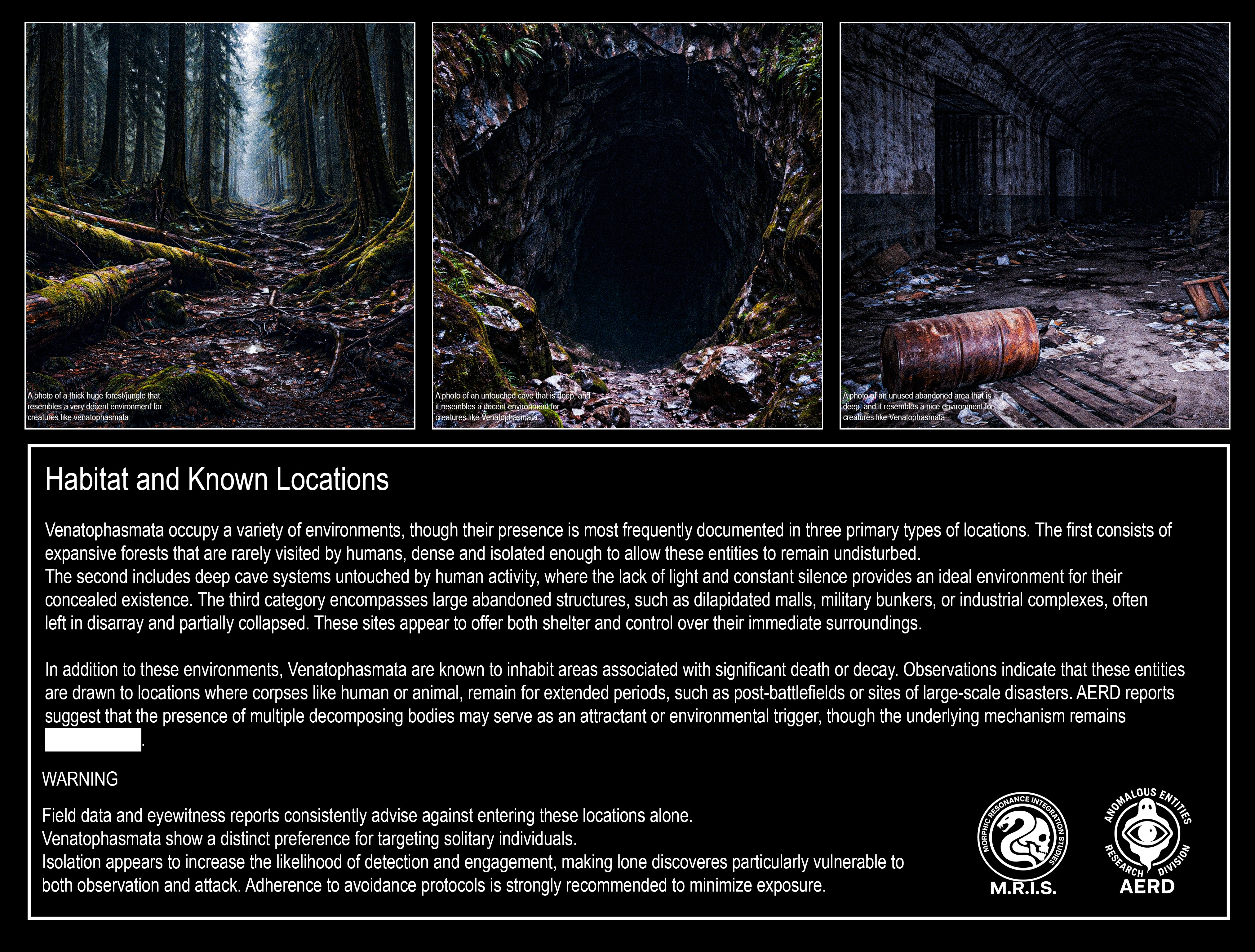
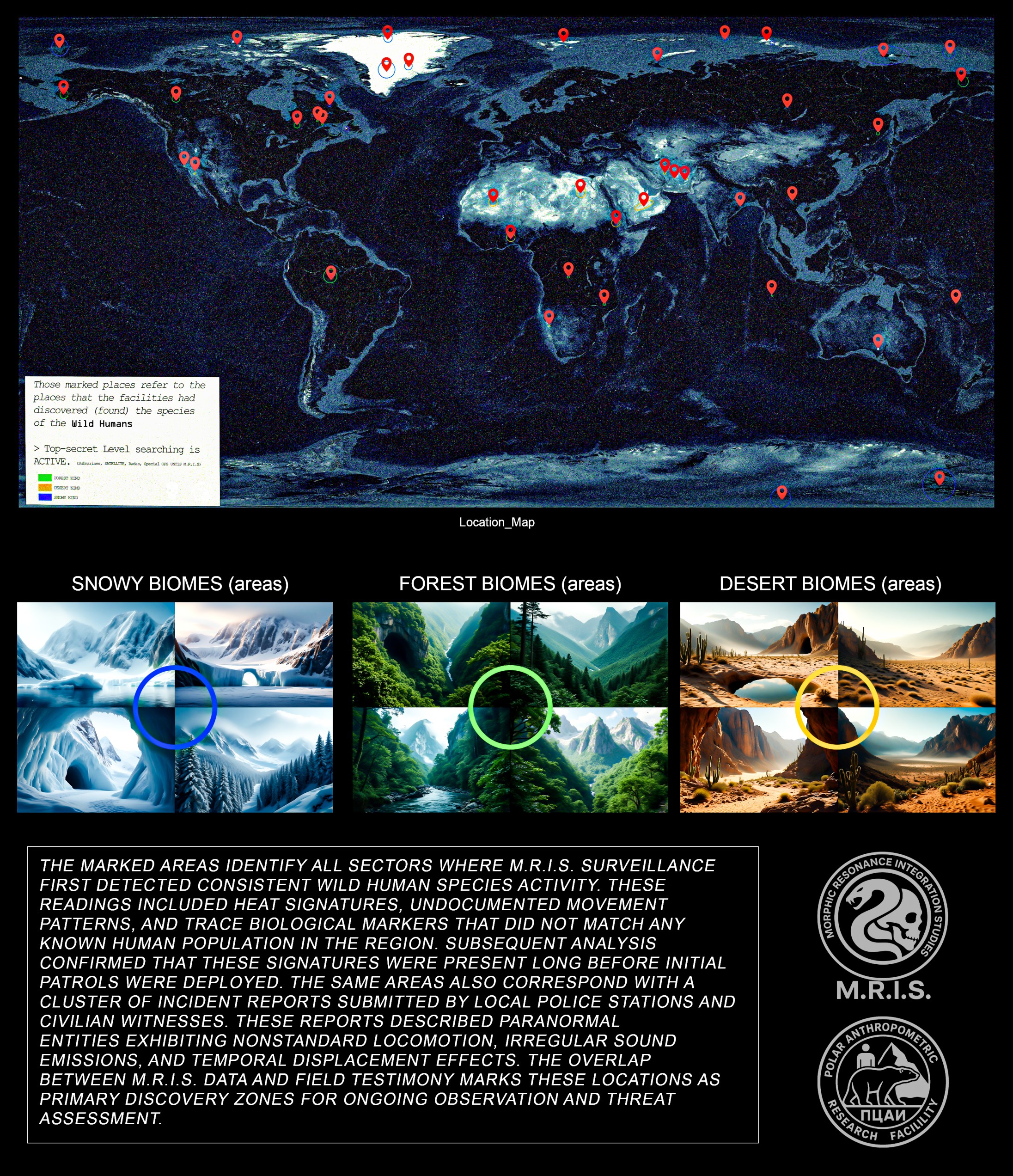
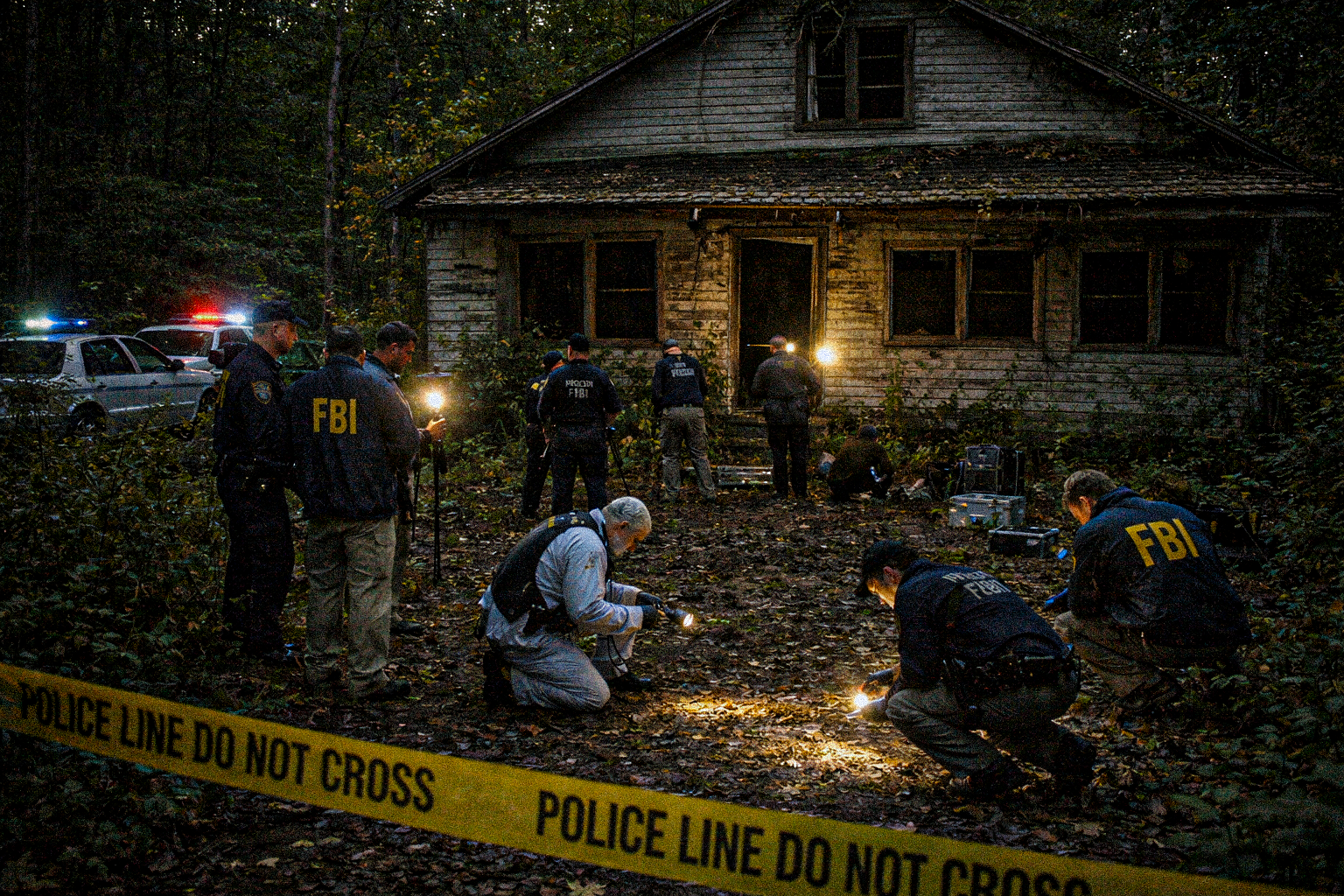
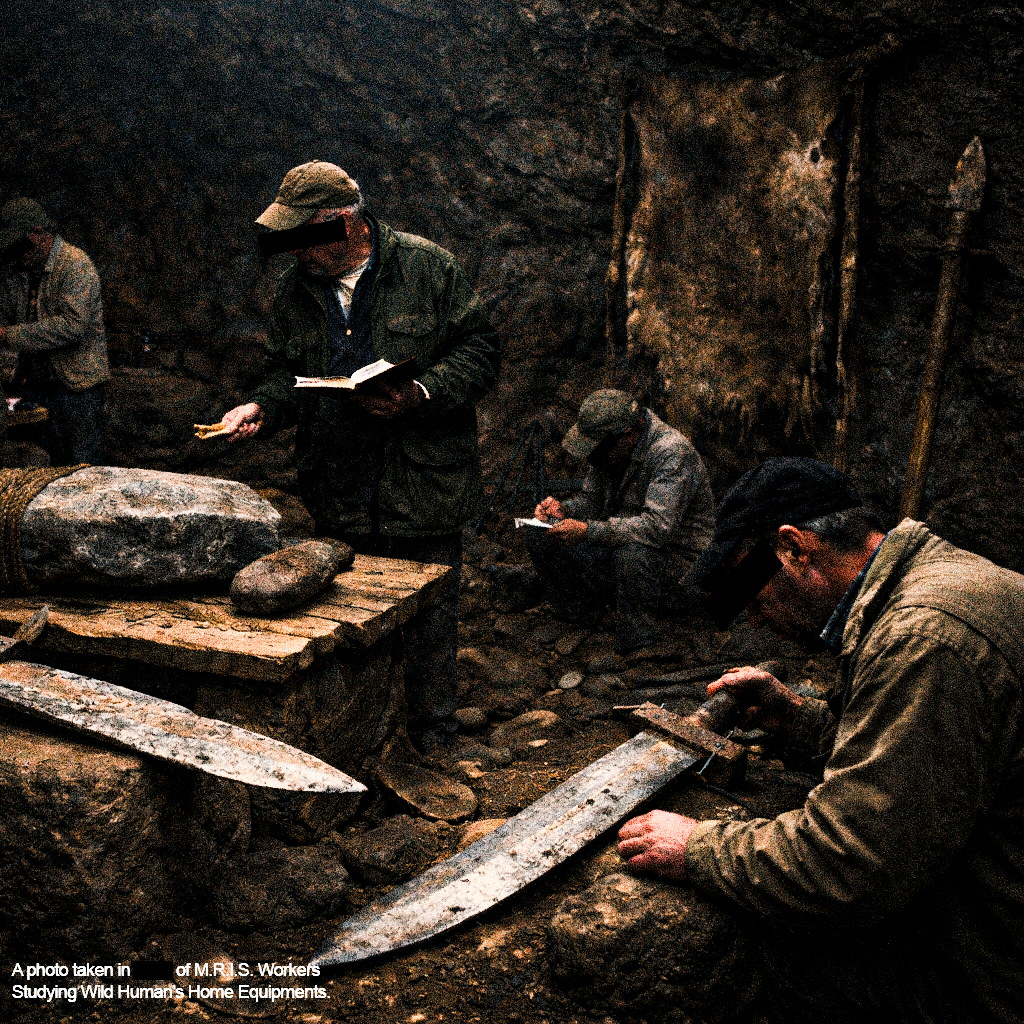
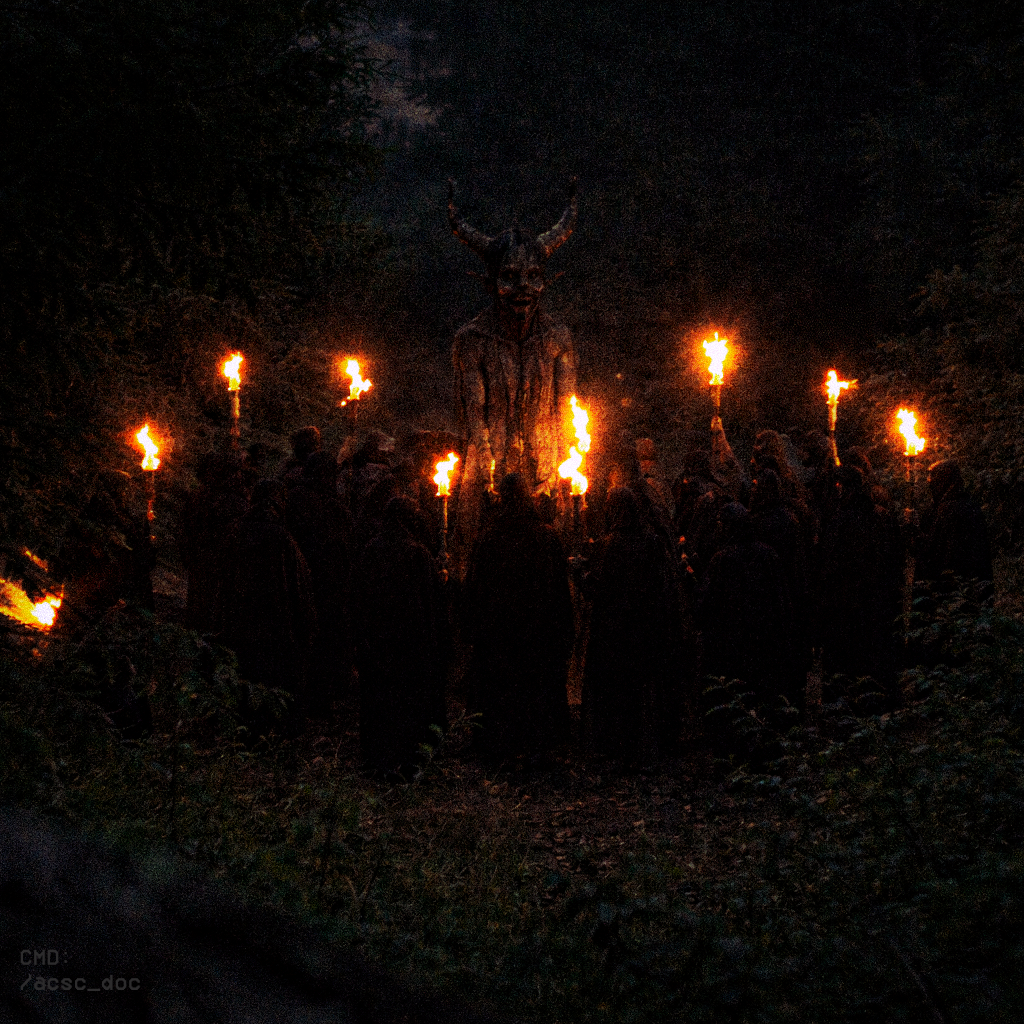
→ Venatophasmata are primarily found in three types of locations: vast, secluded forests; deep, uninhabited cave systems; and large abandoned structures like malls, bunkers, or industrial sites. These environments provide isolation, shelter, and strategic control over their surroundings. They are also drawn to areas with significant death or decay, such as post-battlefields or disaster sites. Extended presence of decomposing bodies, human or animal, appears to act as an attractant, though the exact mechanism is unknown. Overall, their habitat selection emphasizes both concealment and proximity to environments rich in mortality cues.
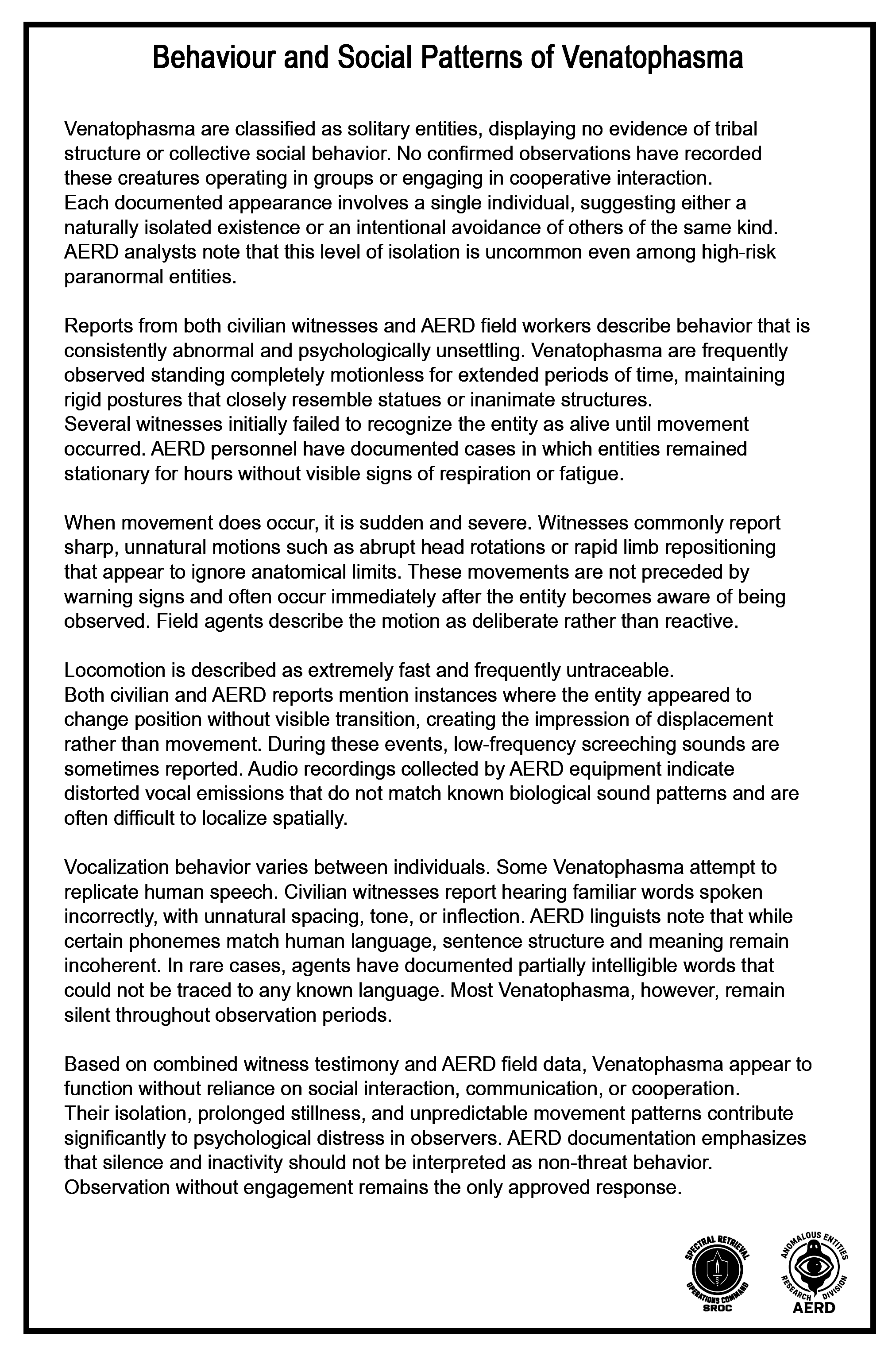
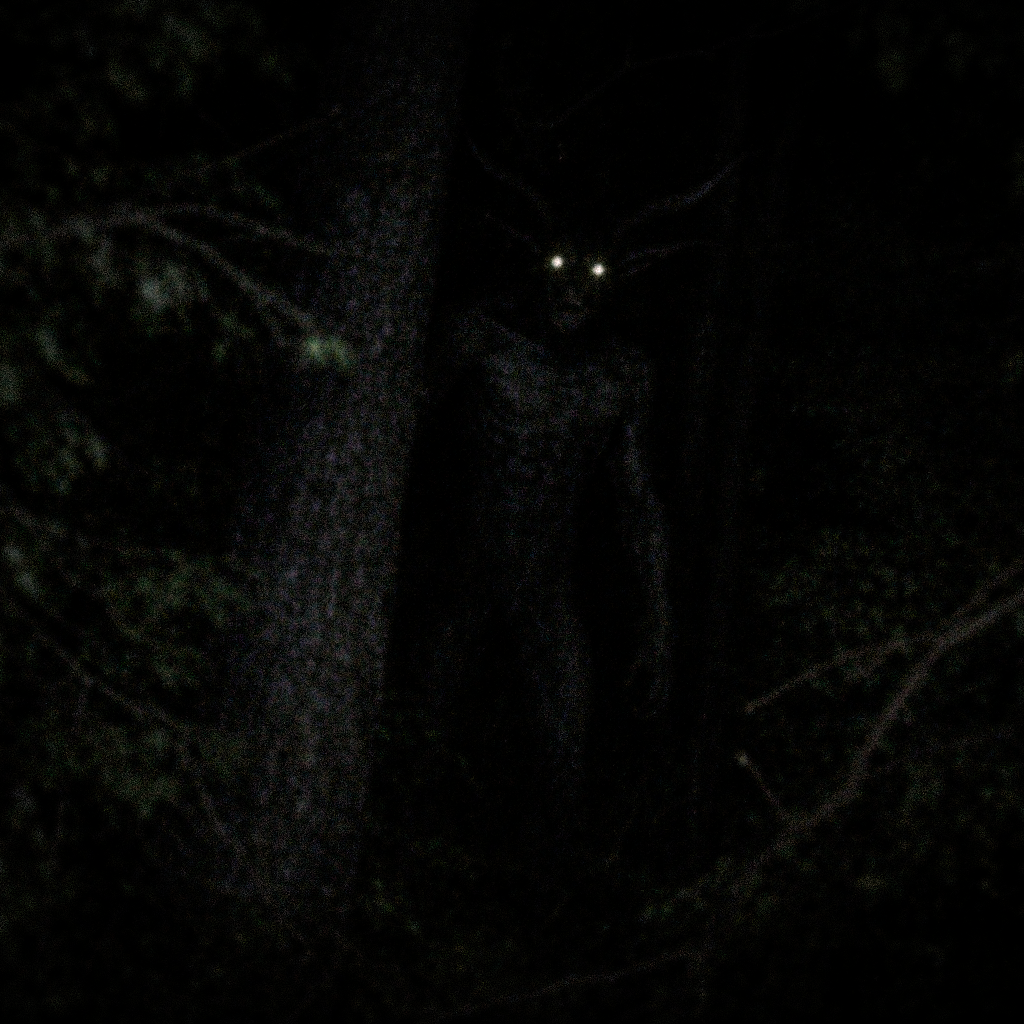
→ Venatophasma are solitary entities, with no evidence of social structure, cooperative behavior, or group activity; each appears alone in all documented encounters. They often remain motionless for extended periods, resembling statues or inanimate objects, with no visible signs of respiration or fatigue. When they move, motions are sudden, extreme, and anatomically abnormal, often occurring immediately after being observed, giving the impression of deliberate, precise action. Locomotion can be extraordinarily fast or seemingly instantaneous, sometimes accompanied by low-frequency screeches or distorted vocalizations that defy known biological patterns. While some individuals attempt incoherent human speech, most remain silent; their isolation, unpredictability, and unsettling behavior make observation without engagement the only recommended response.
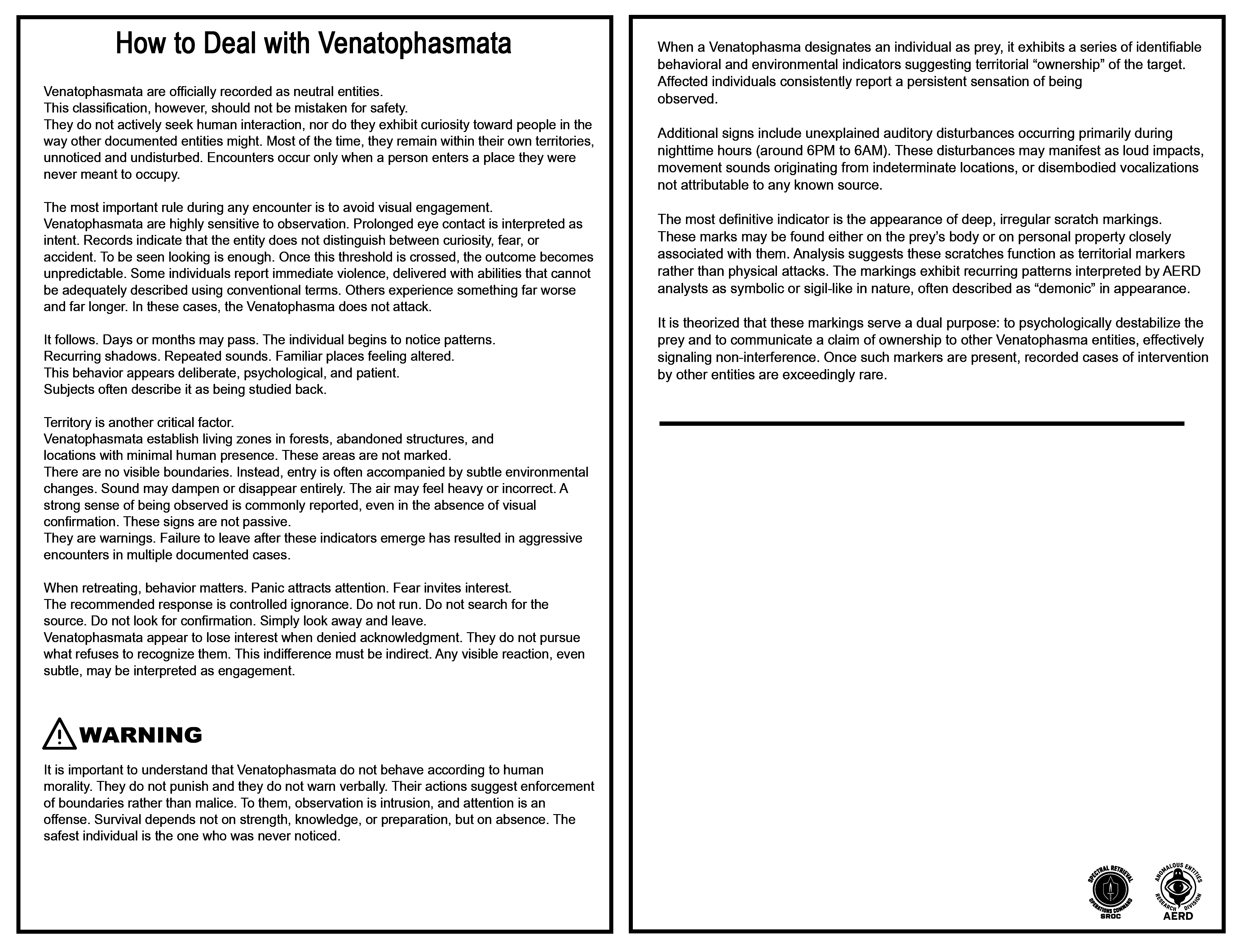
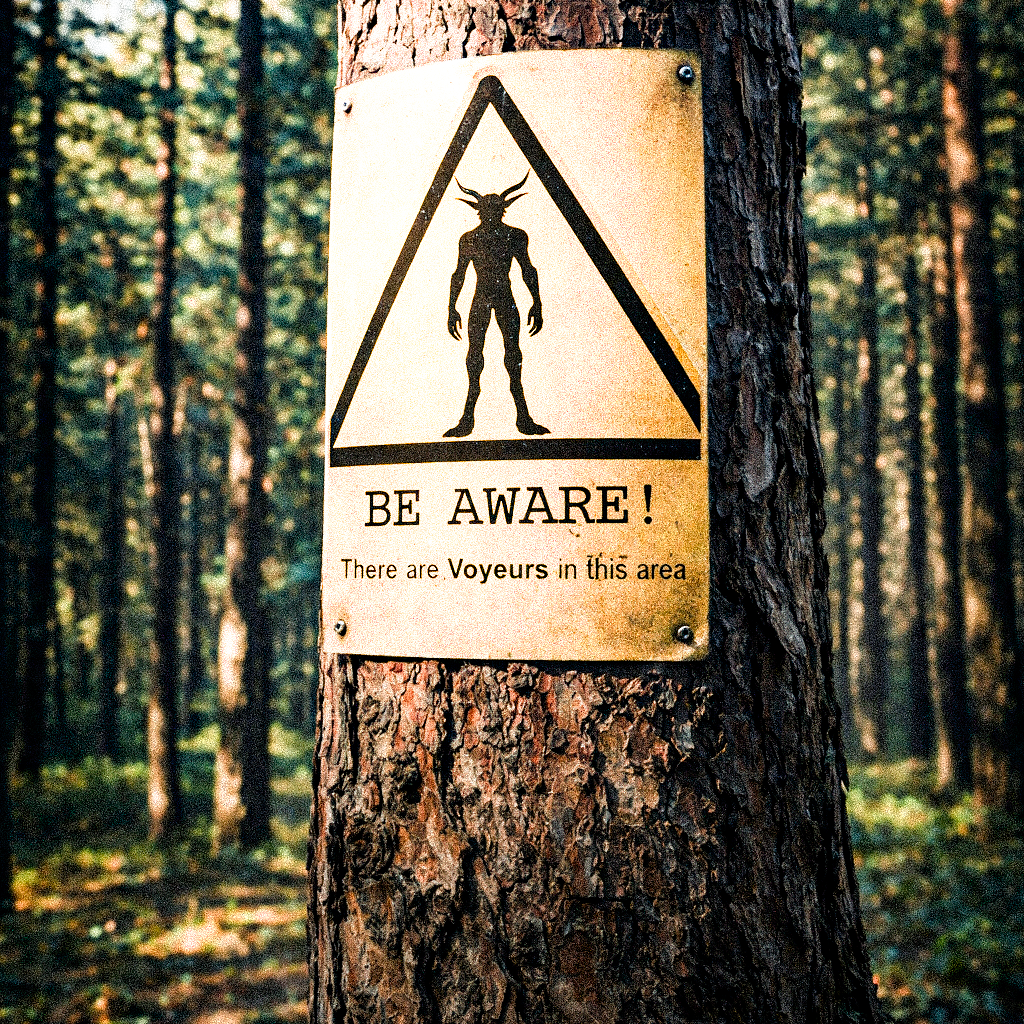
→ Venatophasmata are neutral but highly dangerous entities that avoid human interaction, with encounters occurring only when someone enters their territory. The most critical rule is to avoid visual engagement, as being seen, even unintentionally, is interpreted as intent and can provoke immediate or prolonged psychological consequences. Their territories, often in forests, caves, or abandoned structures, are unmarked but detectable through subtle environmental cues such as dampened sound, heavy air, or a persistent sense of being observed. When retreating, controlled ignorance is essential: do not panic, search, or react; simply look away and leave, as acknowledgment is interpreted as engagement. These entities enforce boundaries rather than act out of malice, making survival dependent on being unnoticed rather than on strength, knowledge, or preparation.

Medium aggression. Becoming aggressive when bothered, and most of the time remain within their own territory without contact.






 OVERVIEW
 TOP WORKERS PANEL
 ENTITY CLASSIFICATIONS